
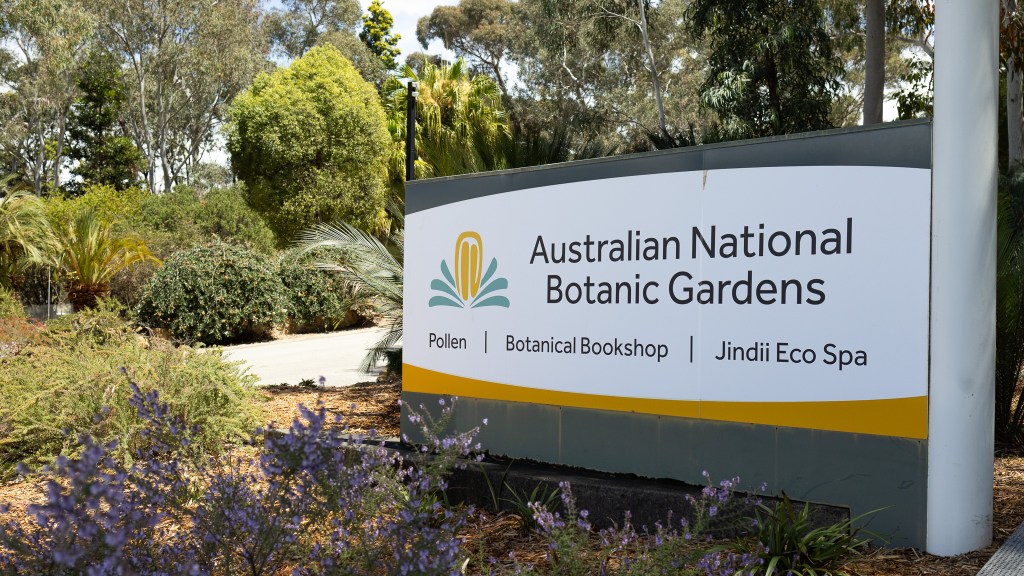
Just west of the heart of Canberra, the scent of damp earth and fresh blooms clears away the stifling city air and the constant hum of traffic melts into birdsong.
The Australian National Botanic Gardens are my #1 spot in Canberra. Why? The Botanic Gardens change dramatically each visit, no matter how often you go. The huge variety of flora means that something new is in bloom every week, and the wildlife who call it home show up on their own schedule, making every sighting a delightful novelty.
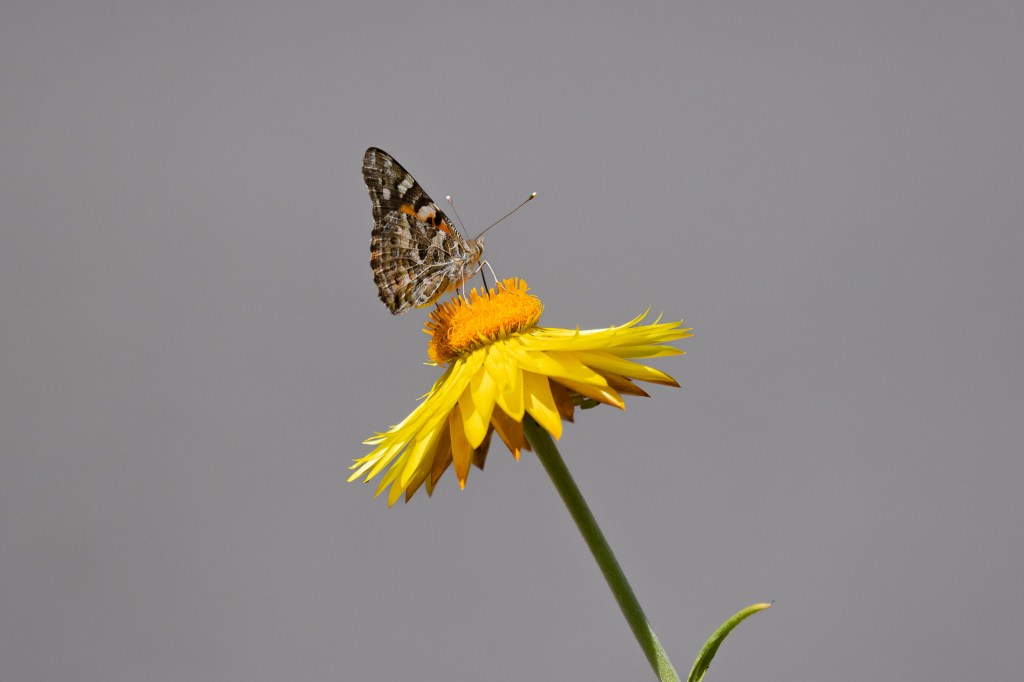
It’s not just about the sights though. There’s so much knowledge to be gained at the Gardens.
This is a key (and my favourite!) part of enjoying nature – not just appreciating the beauty but learning, understanding and appreciating the complexity and importance of it all.
There’s truly no better place to do this than the Botanic Gardens.
To get the most out of the Gardens, it needs to be treated a little differently to a regular day of sightseeing. Put aside the impulse to rush through and experience it all. This is no dusty museum, it’s a living, thriving, complex ecosystem.
Don’t try to see everything.
Instead, see EVERYTHING.
The true beauty is in the individual species and their uniqueness, from each towering tree to every bird flitting through the scrub. It’s when you slow down to notice those small details that the Gardens show how wondrous they are.
So let’s zoom in on the details that make the Gardens so special.
The Flora
There are over 1300 species of native plants to be found in the Gardens. Within this staggering number is an incredible array of diversity, and the biomes you’ll find them in are just as varied as their contents. It’s an incredible feeling to step out of the city and find yourself immersed in a lush rainforest or gazing across a desert plain.
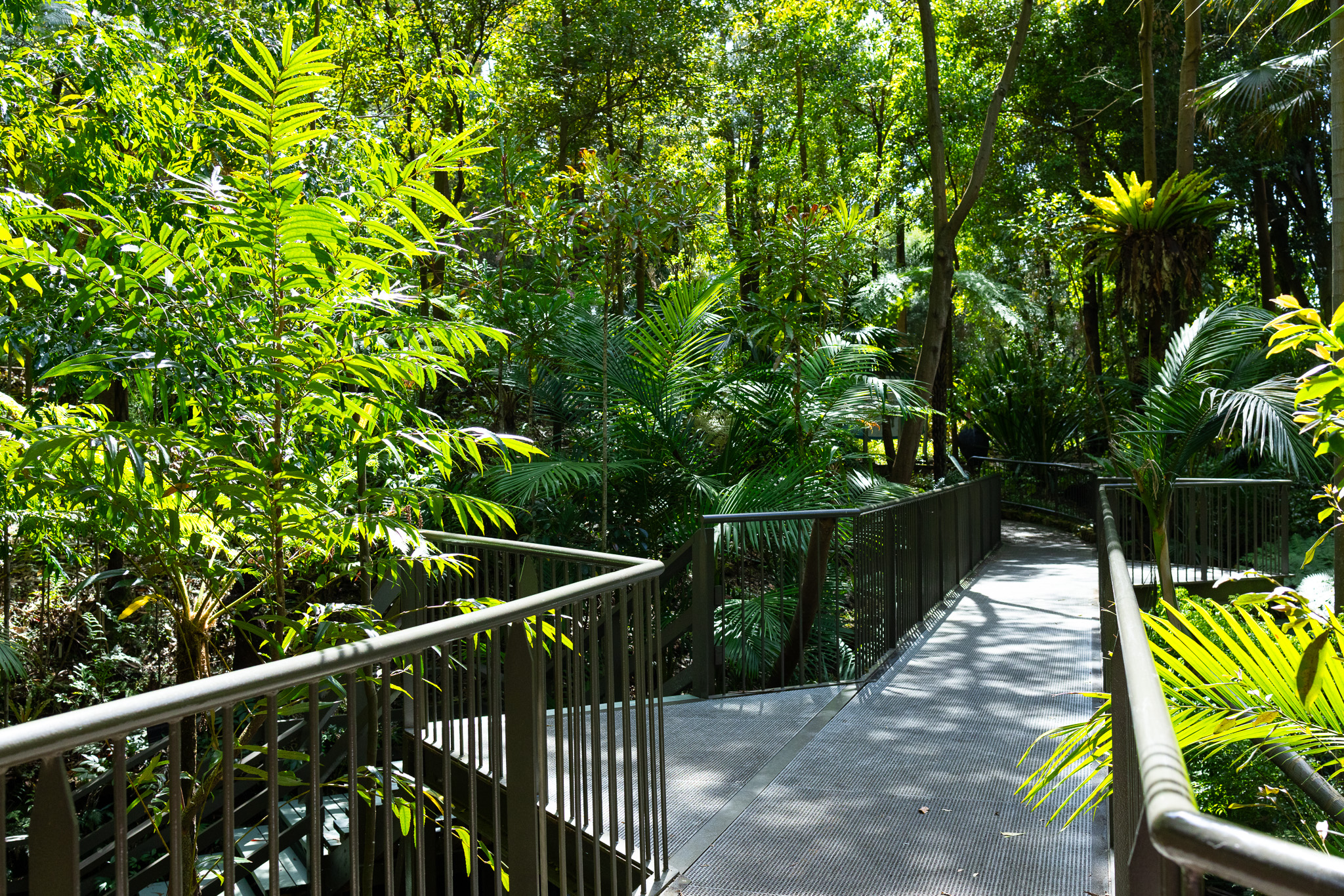
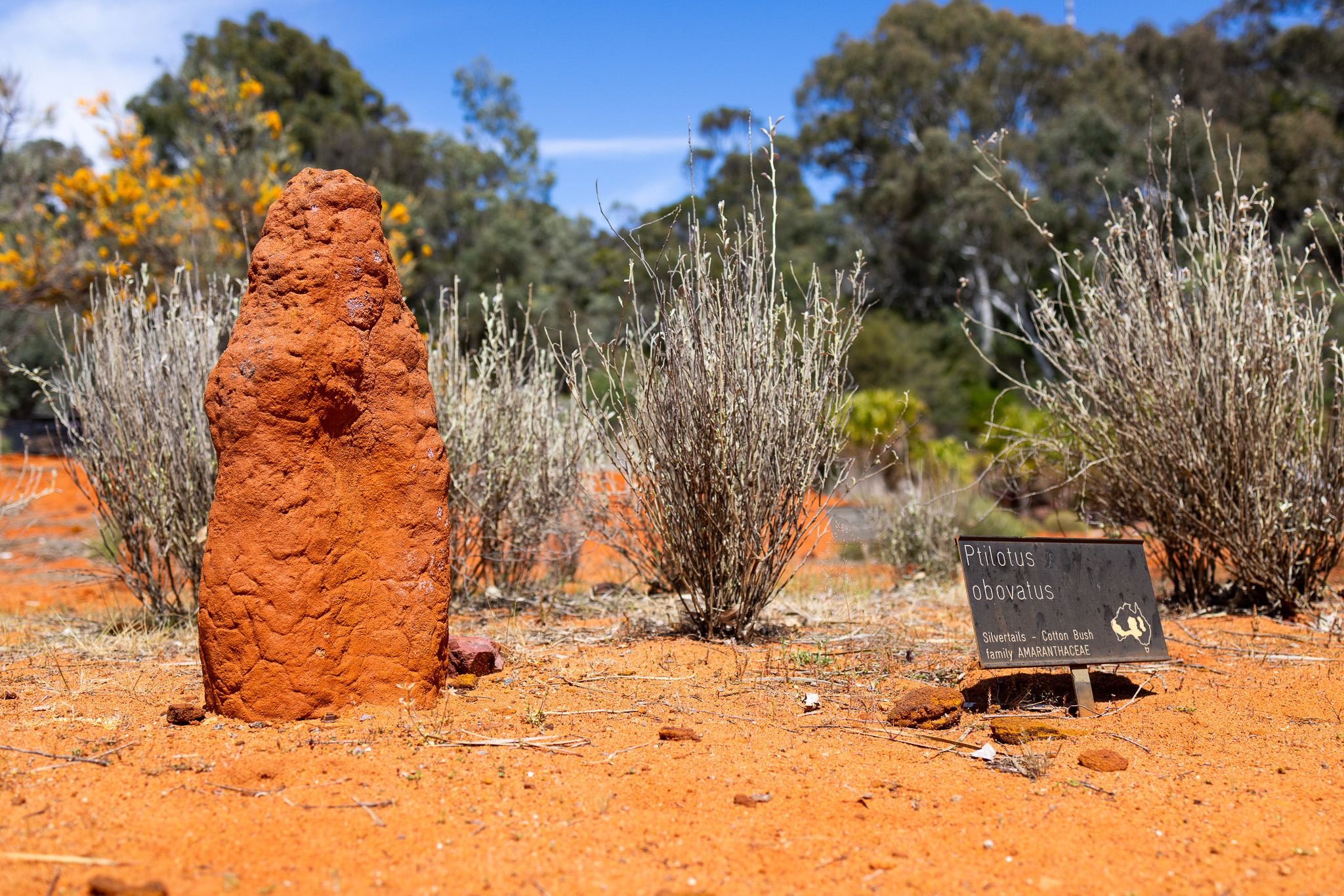
But don’t forget to take a closer look.
I wasn’t exaggerating when I said something new is in bloom every week – in fact, there’s a new Flowers, Fruit and Foliage tour every fortnight to spotlight the most active blooms and plants of note. There are several other tours available too, both self-paced and accompanied by a knowledgeable guide.
While you can enjoy the Gardens without a tour, I strongly recommend doing at least one or two. Through these, you’ll not only be guided to see the beauty in each individual species, but you’ll also learn what makes them unique and their ecological significance.
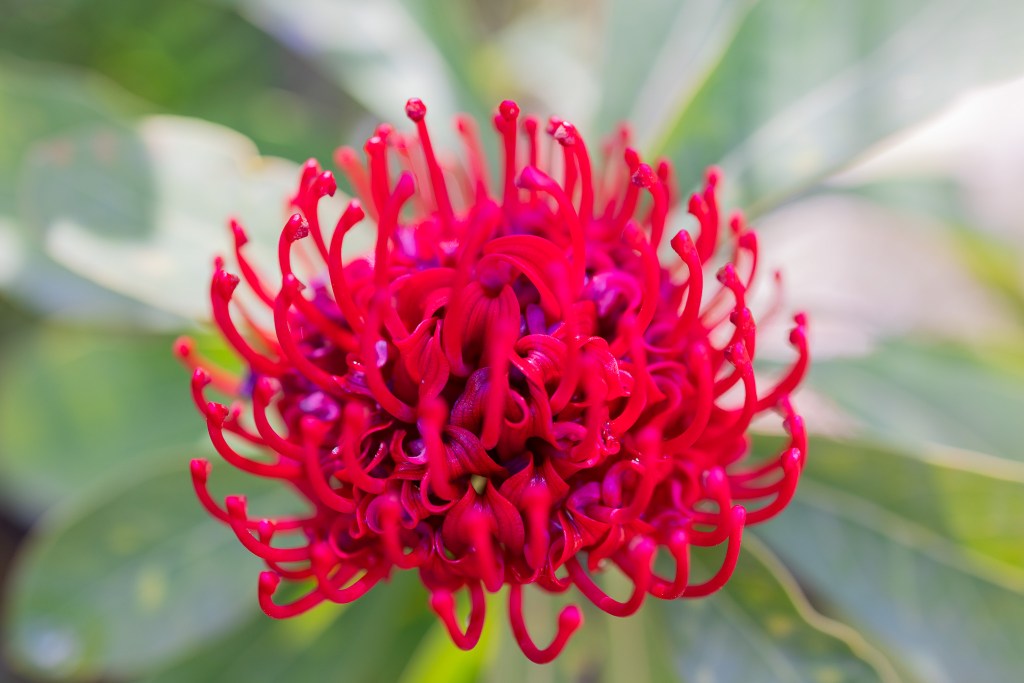
This makes the tours a fantastic launch pad for the whole experience. Once you’ve done a few, you’ll know how to look for those small details and information yourself, and you can begin to follow your own curiosity. It’s a real rabbit hole!
The Wildlife
Hundreds of animals call this place home, and trying to spot them turns every visit into a treasure hunt. Keep an eye out for:
Birds
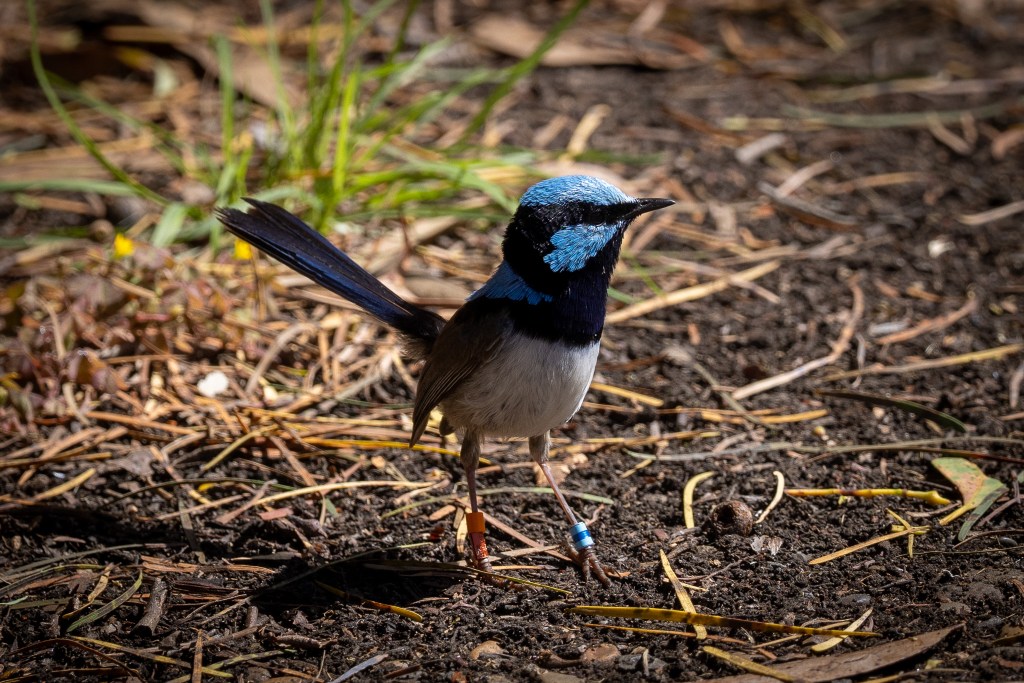
There’s a reason the Canberra Ornithologist’s Group field trips here so often. Birdsong is a constant companion in the Gardens, and there’s always something flitting through the foliage. Frequent sightings include honeyeaters, rosellas, and wrens, but if you’re lucky you might catch a glimpse of a raptor.
Reptiles
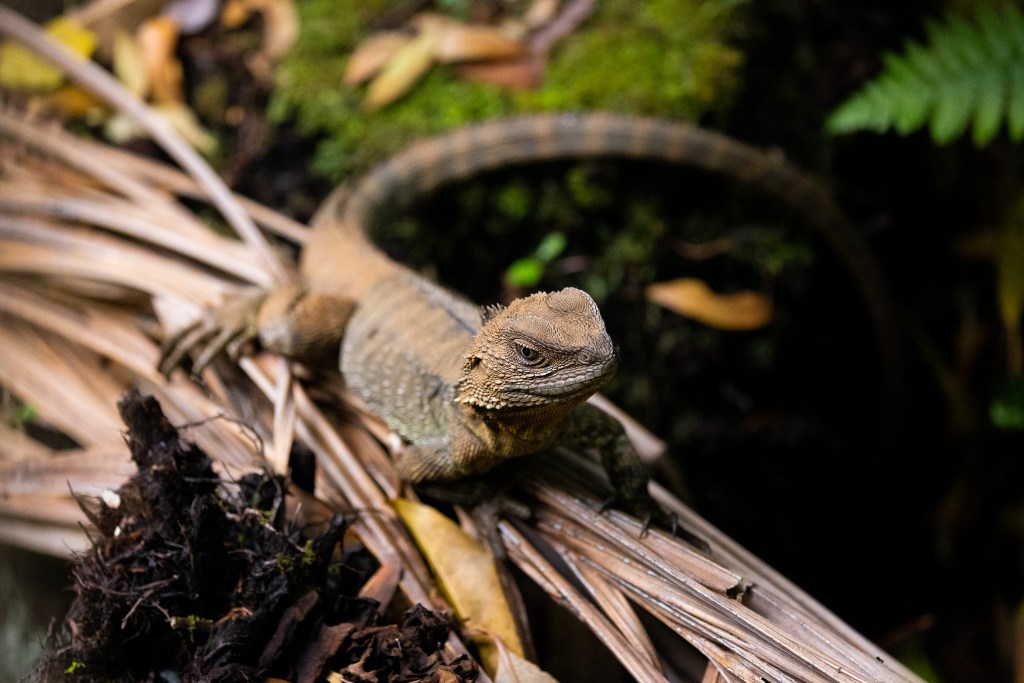
Water dragons are one of the Gardens’ most notable denizens, with hundreds of them calling it home. They’re big and bold, and in the Spring and Summer, you can find them basking just about everywhere. Snakes can also be (rarely) sighted here, so do keep an eye out and exercise caution in the warmer months.
Insects
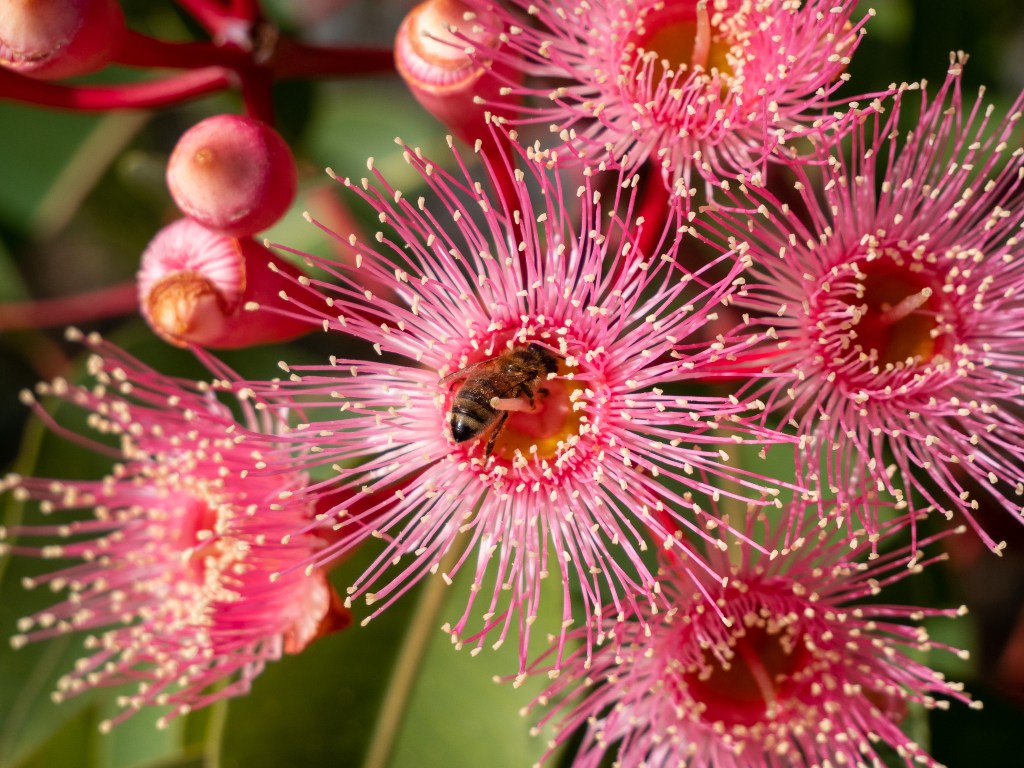
It’s always worth a look in the Native Bee Hotel to see which of Australia’s 1600 bee species might have checked out a room. You can also expect to see butterflies, dragonflies, beetles, and so much more buzzing around the whole Garden.
Remember: you’ll often hear animals before you see them. Stay quiet and keep your ear tuned!
The Brunch
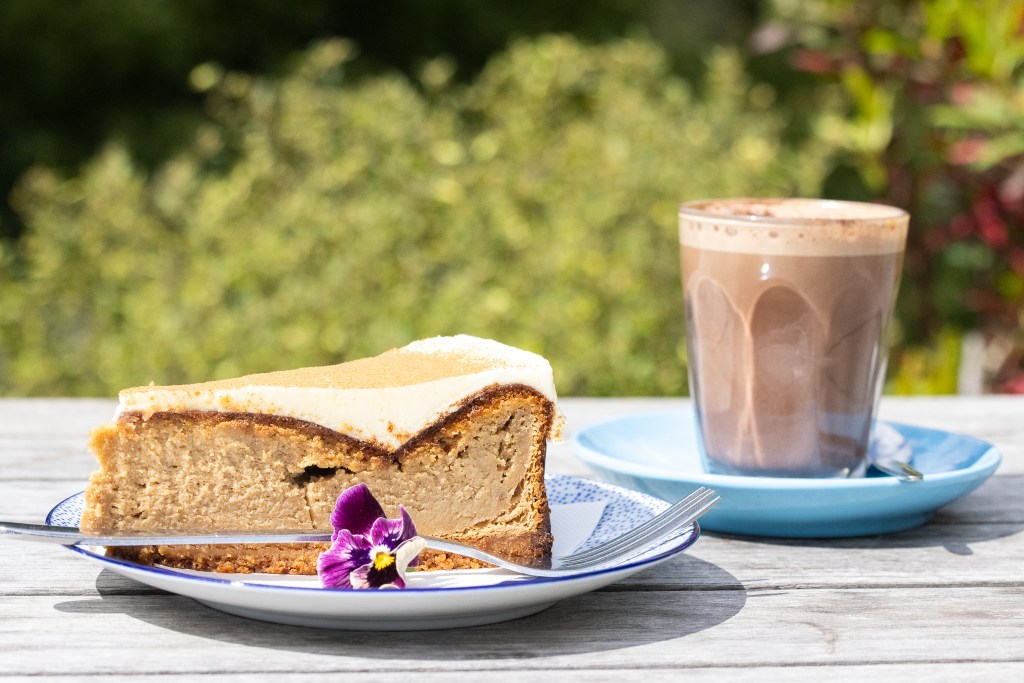
And finally, don’t forget to grab yourself something tasty. Pollen Café is open 7 days, and you can enjoy some truly excellent coffee while you explore, or sit on the outdoor deck and enjoy the view.
I’ll see you in the next post.
Until then, stay wild!
 Natural Capital
Leave a comment